Quick answer
Paragliding Plose Brixen operates from launch sites near the summit station at approximately 2,500 meters elevation, accessible via the cable car system. Morning launches between 09:00 and 11:00 offer the most stable air, with consistent thermals developing before midday valley winds complicate conditions. Pilots must carry valid certification, and tandem operations require advance booking with licensed operators based in the Brixen area.
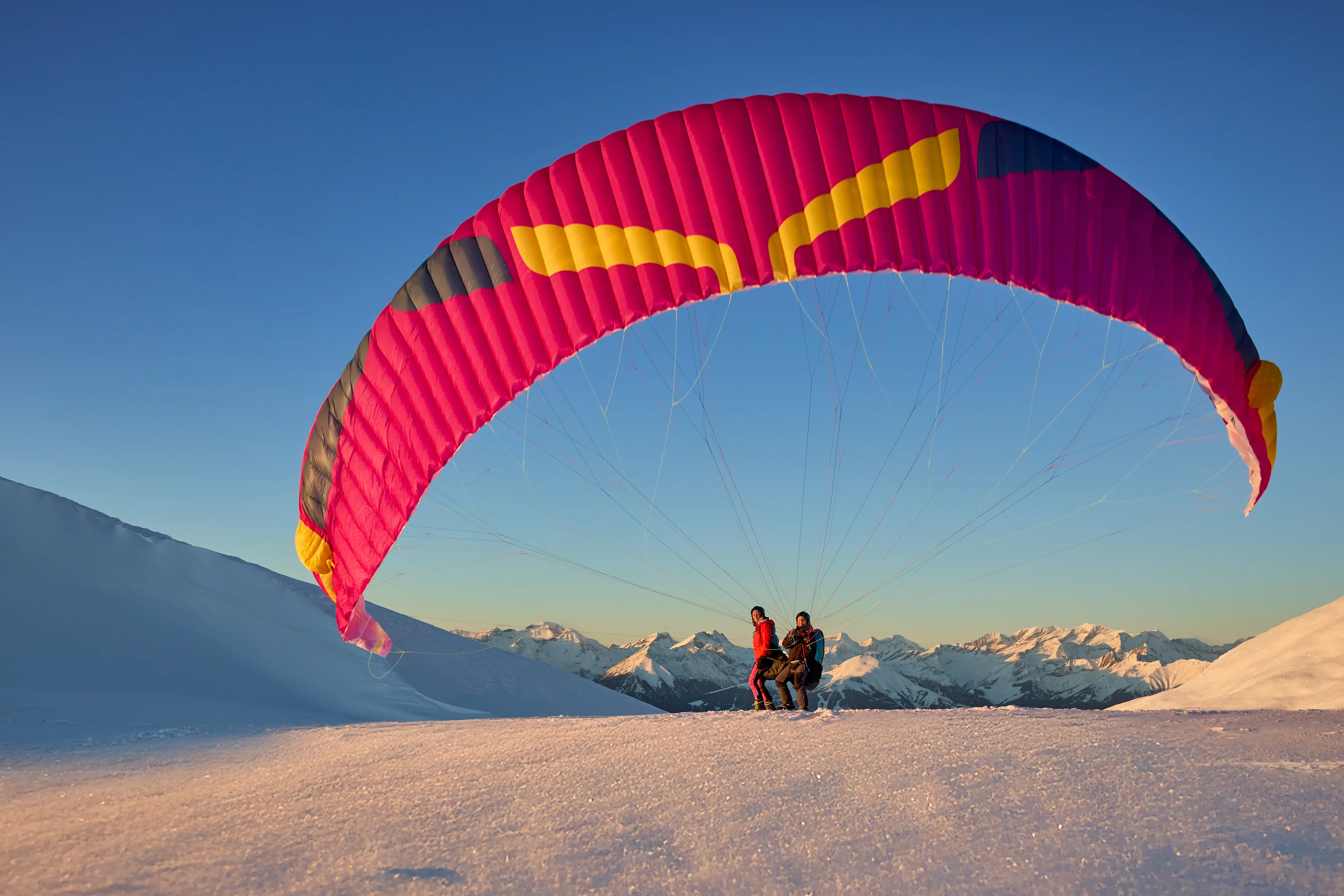
Plose stands as one of the few Dolomite peaks where a cable car delivers pilots—and their gear—directly to launch elevation without the burden of a summit hike. The upper station sits at roughly 2,500 meters, placing flyers above the Eisack Valley with unobstructed southern exposure and a vertical drop that yields long, forgiving glides over terraced vineyards and the medieval rooftops of Brixen below. The mountain's reputation among regional pilots rests on its reliability: the north-south ridge funnels predictable thermals on stable-pressure days, and the broad shoulder west of the summit provides multiple launch zones suited to varying wind angles. Paragliding plose brixen depends entirely on morning air stability. The Eisack Valley heats quickly after sunrise, generating thermals that reach launch altitude by mid-morning and sustain lift through the late-morning window. Pilots arriving between 09:00 and 11:00 encounter the calmest pre-thermal phase, ideal for launching and establishing altitude before convective turbulence builds. After midday, anabatic winds accelerate up the valley flanks, and the once-smooth airflow fragments into choppy cells that demand aggressive weight-shifting and active canopy management. Local pilots treat the noon cutoff as doctrine, not suggestion. Access logistics differ sharply between solo-certified flyers and tandem passengers. Licensed pilots ride the cable car with folded wing and harness, then walk five minutes west to the primary launch clearing—a grassy slope groomed flat each spring and marked with wind socks at both ends. Tandem passengers book through one of three licensed operators in Brixen, all of whom manage lift tickets, gear transport, and pre-flight briefings as part of the package. Weather holds and cancellations are common: the Plose microclimate shifts rapidly when frontal systems cross the Brenner Pass, and operators will scrub a flight rather than launch into deteriorating visibility or crosswind shear. Landing zones lie in the valley floor north of Brixen, typically in designated farm meadows under cooperative agreements with landowners. Pilots pack out their canopies and arrange ground transport back to the base station, a logistical step that tandem operators handle but solo flyers must solve independently. The entire flight—launch preparation, ascent, glide, and landing—occupies three to four hours when conditions cooperate, though weather delays can extend that window considerably. Plose rewards preparation: pilots who study the morning forecast, arrive early, and respect the thermal clock consistently log smooth, long flights over one of South Tyrol's most photogenic valleys.
“The mountain's reputation among regional pilots rests on its reliability: the north-south ridge funnels predictable thermals on stable-pressure days.”
Entrance Fees and Lift Costs for Paragliding Plose Brixen
Access to the mountain area is free of charge for all visitors. However, pilots and passengers must purchase a lift ticket to reach the designated paragliding launch sites.
Essential Pilot Tips for Paragliding Plose Brixen
Successful flights at Plose require attention to specific topographic wind interactions and local regulations.
Monitor the Brixen valley wind
Thermal cycles frequently reverse to strong valley winds by mid-afternoon, making early observation essential. Note that wind direction can shift rapidly around the massif due to the convergence of the Eisacktal and Puster Valley airflow.
Respect designated landing zones
Landing areas near Brixen are strictly defined to protect local agriculture and ensure pilot safety. Always verify current coordinates with the local flight club before your first descent.
Observe Plose cable car airspace
Paragliders must maintain a clear distance from the Plose gondola lines at all times. Flight paths should be planned to avoid crossing the cable car trajectory, especially during busy operating periods.
High altitude micro-climates
The north-facing slopes of Plose can remain cool even when valley temperatures are high. Pilots should prepare for significant temperature variations between the takeoff point and the landing site.
Check local meteorological stations
Consult the official Plose weather sensors rather than general regional forecasts for accurate wind speed data at takeoff elevation. Local sensors provide real-time updates that account for the unique topography of the Dolomites.
Check availability
Frequently asked questions about paragliding plose brixen
Everything you need to know about paragliding plose brixen